
Smoke Vent for Smoke Extraction: A Critical Investment for Building Safety
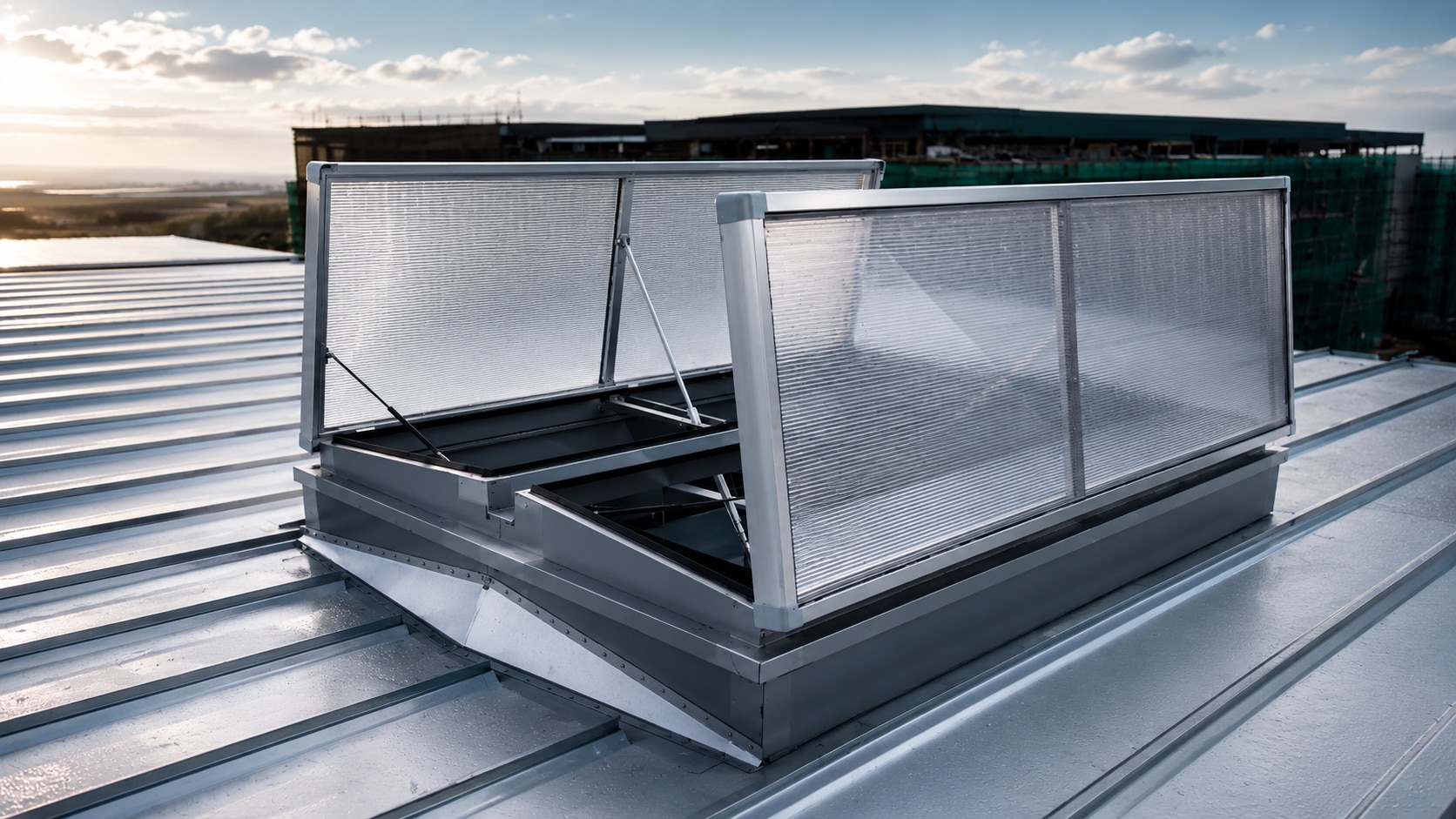
For facility owners, project consultants, architects, and fire safety professionals, ensuring occupant safety during a fire is a top priority. While fire detection and suppression systems play a crucial role, an effective smoke vent for smoke extraction is equally important for managing smoke, heat, and toxic gases. In commercial and industrial buildings, smoke often spreads faster than flames. Without proper smoke extraction, evacuation routes can become blocked, visibility can drop significantly, and firefighting operations can become more challenging. This is why smoke vent systems have become an essential requirement in modern building designs.
Why Smoke Extraction Is Important for Building Owners
When a fire occurs, smoke can quickly fill large spaces, creating serious risks for occupants and emergency responders.
Key Challenges Without Smoke Extraction
- Reduced visibility during evacuation
- Toxic smoke accumulation
- Increased risk of panic
- Higher property damage
- Delayed firefighting response
- Potential non-compliance with fire regulations
For building owners and facility managers, these risks can lead to significant operational disruptions, financial losses, and legal liabilities.
Business Benefits of Installing Smoke Vent Systems
1. Protect Occupants and Employees
The primary objective of any smoke extraction system is life safety.
Benefits
✔ Safer evacuation routes
✔ Improved visibility
✔ Reduced smoke inhalation risks
✔ Enhanced emergency response
For facilities with large workforces or high visitor traffic, smoke ventilation systems are a critical safety investment.
2. Support Fire Safety Compliance
Many industrial and commercial projects require smoke ventilation systems to meet fire safety regulations and building code requirements.
Installing compliant smoke vents helps:
- Meet project specifications
- Satisfy regulatory requirements
- Improve approval processes
- Reduce compliance risks
3. Protect Valuable Assets
Warehouses, factories, and commercial facilities often contain expensive equipment, inventory, and infrastructure.
Smoke extraction helps reduce:
- Smoke-related damage
- Heat-related structural stress
- Equipment contamination
- Business interruption costs
4. Improve Firefighting Efficiency
Firefighters can work more effectively when smoke levels are controlled.
Smoke vent systems help by:
- Improving visibility
- Reducing heat accumulation
- Creating safer working conditions
- Allowing faster access to affected areas
Types of Smoke Ventilation Systems
Choosing the right smoke extraction solution depends on your building design, occupancy levels, and fire safety requirements.
Natural Smoke Ventilation
Natural smoke ventilation relies on the natural movement of hot smoke toward roof-level vents.
Ideal For
- Warehouses
- Manufacturing facilities
- Logistics hubs
- Industrial buildings
Advantages
- Lower operating costs
- Energy efficiency
- Minimal maintenance
- Reliable operation during power outages
Mechanical Smoke Extraction
Mechanical systems use fans and automated controls to remove smoke actively.
Ideal For
- Shopping malls
- Commercial buildings
- Airports
- Underground structures
- High-rise developments
Advantages
- Controlled smoke movement
- Greater extraction capacity
- Flexible building integration
- Enhanced smoke management
Industries That Benefit from Smoke Vent Systems
| Industry | Key Benefit |
|---|---|
| Warehousing | Inventory protection and safer evacuation |
| Manufacturing | Worker safety and heat management |
| Logistics Centers | Regulatory compliance and operational continuity |
| Commercial Buildings | Occupant safety and code compliance |
| Shopping Malls | Enhanced public safety |
| Airports | Effective smoke control for large crowds |
| Healthcare Facilities | Protection of patients and staff |
What to Consider When Selecting a Smoke Vent System
Before purchasing a smoke extraction solution, decision-makers should evaluate several factors.
Building Considerations
- Total building area
- Roof design
- Ceiling height
- Occupancy load
- Fire risk classification
System Considerations
- Vent opening size
- Extraction capacity
- Automation features
- Integration with fire alarms
- Maintenance requirements
Supplier Considerations
Look for a supplier that offers:
- Certified products
- Technical design support
- Regulatory compliance expertise
- Installation assistance
- After-sales service
Why Work with an Experienced Smoke Vent Manufacturer?
A smoke extraction system is a long-term investment that directly impacts building safety.
An experienced manufacturer can provide:
- Customized smoke ventilation solutions
- Project-specific engineering support
- Compliance guidance
- Reliable product performance
- Ongoing maintenance support
Choosing the right partner ensures your smoke extraction system delivers effective performance when it matters most.
Conclusion
A smoke vent for smoke extraction is more than a regulatory requirement—it is a critical investment in life safety, asset protection, and business continuity. For architects, consultants, contractors, facility managers, and building owners, selecting the right smoke ventilation system can significantly improve fire safety performance while ensuring compliance with modern building standards. Whether you are planning a new project or upgrading an existing facility, investing in a high-quality smoke extraction solution helps create a safer environment for occupants, protects valuable assets, and strengthens overall fire protection strategies.
FAQs
1. How do I choose the right smoke vent for my warehouse or industrial facility?
The ideal solution depends on building size, roof design, occupancy levels, fire load, and compliance requirements. A professional site assessment is recommended.
2. Are smoke vents mandatory for industrial and commercial projects?
Many building codes and fire safety regulations require smoke ventilation systems for warehouses, factories, commercial facilities, and public buildings.
3. Can smoke vent systems be integrated with fire alarm systems?
Yes. Most modern smoke extraction systems can integrate with fire alarms, smoke detectors, and building management systems for automatic activation.
4. What is the typical lifespan of a smoke vent system?
With proper maintenance, high-quality smoke vents can provide reliable performance for many years while meeting ongoing compliance requirements.
5. How much does a smoke extraction system cost?
Costs vary based on project size, vent specifications, automation requirements, and installation complexity. Most manufacturers provide customized quotations.
6. Why should I choose a certified smoke vent manufacturer?
Certified manufacturers provide tested products, compliance support, engineering expertise, and reliable long-term performance, ensuring your investment delivers maximum safety and value.
call Now:- 8793944487
View for more product
Stone Coated Roofing Sheets :- https://www.colourcoatedroofing.com/products/category/stone-coated-roof-tiles/1
Metal Louvers :- https://www.colourcoatedroofing.com/products/category/metal-louvers/1
Ridg vent :- https://www.colourcoatedroofing.com/products/category/ridge-vents/1
Need expert guidance for your industrial roofing project?
Submit your requirements through our product inquiry form, and our team will connect with you with the most suitable solution.
Stone Coated Roofing Sheets :- https://www.colourcoatedroofing.com/products/category/stone-coated-roof-tiles/1
Metal Louvers :- https://www.colourcoatedroofing.com/products/category/metal-louvers/1
Ridg vent :- https://www.colourcoatedroofing.com/products/category/ridge-vents/1
Need expert guidance for your industrial roofing project?
Submit your requirements through our product inquiry form, and our team will connect with you with the most suitable solution.